



This is the single most common question we are asked by new buyers, and there is no universal answer — only the right answer for your market.
Plastic (ABS) cabinets
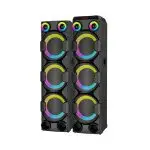
Injection-moulded ABS is the default choice for portable, trolley and outdoor party speakers. It is tough, water-resistant, lightweight, and the tooling amortises quickly across high volumes. Moulded shapes also let you build in handles, LED diffusers and battery compartments without extra assembly steps.
- Strengths: durability, low unit cost at volume, climate resistance, design freedom
- Trade-offs: higher tooling investment, and a resonance profile that needs careful bracing
Wooden (MDF) cabinets
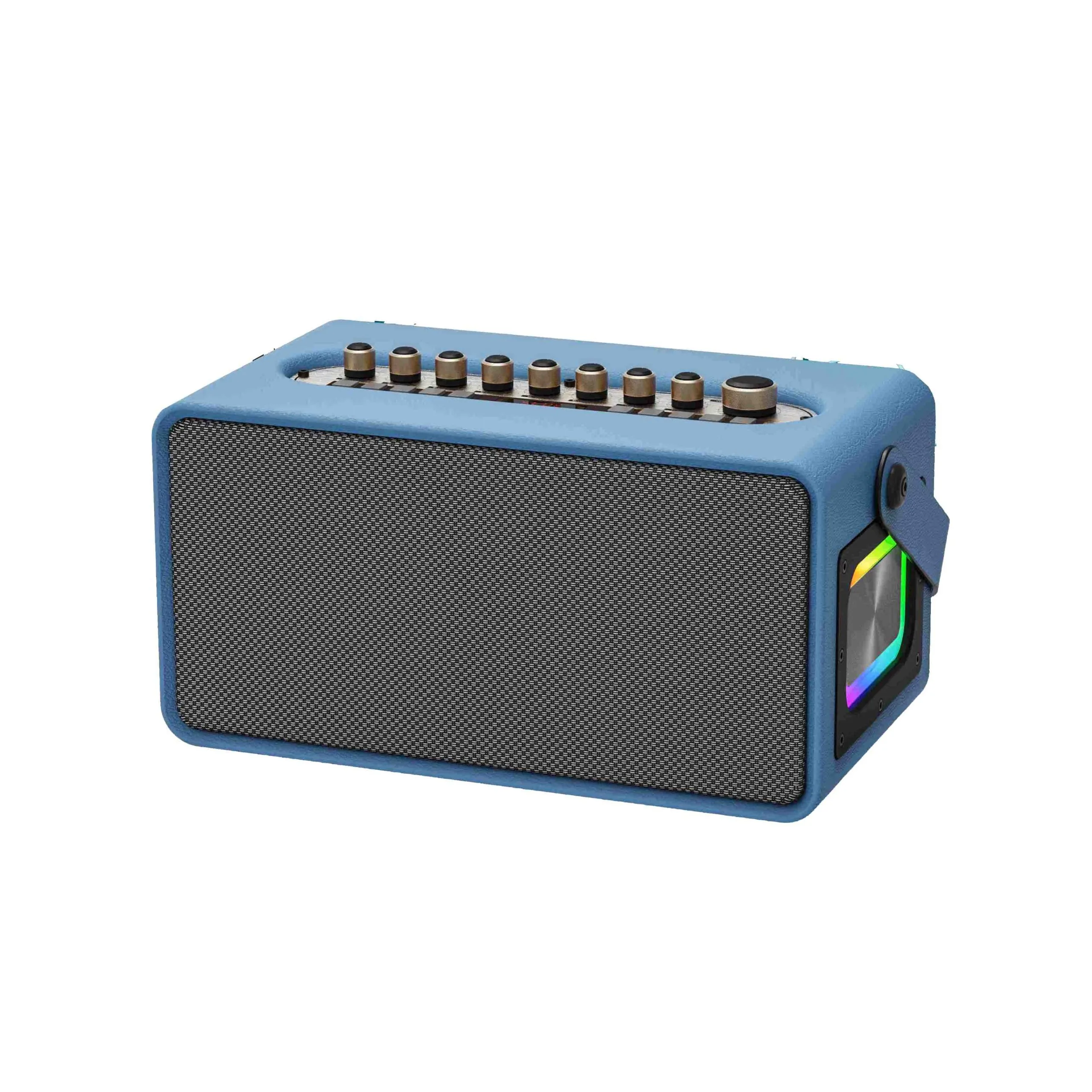
MDF is the material of choice for home audio, studio monitors and premium stage speakers. Its density and internal damping give a tighter, warmer low end and it accepts veneer, piano lacquer and leather finishes that signal quality on a retail shelf.
- Strengths: better acoustic damping, premium look, no tooling needed for a new size
- Trade-offs: heavier, more sensitive to humidity, higher labour content per unit
How to decide
Ask three questions: does the product travel outdoors, what is the retail price band, and how large is the first order? Portable party and trolley speakers almost always end up in plastic. Anything sold into home audio or a premium showroom channel usually ends up in wood. Many of our customers run both — one plastic line for volume, one wooden line for margin.